
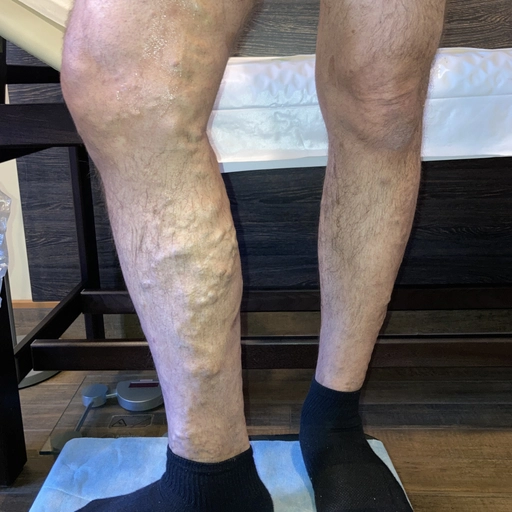
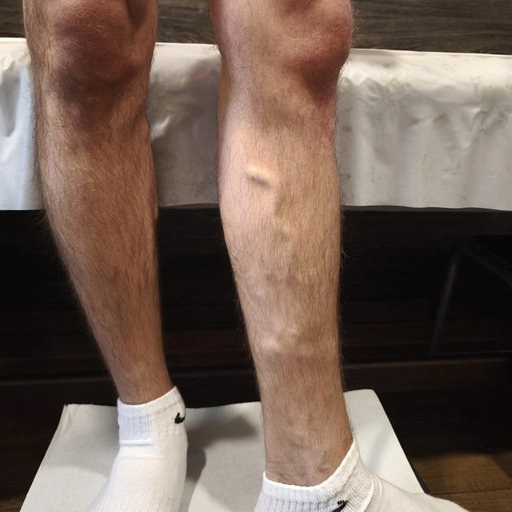
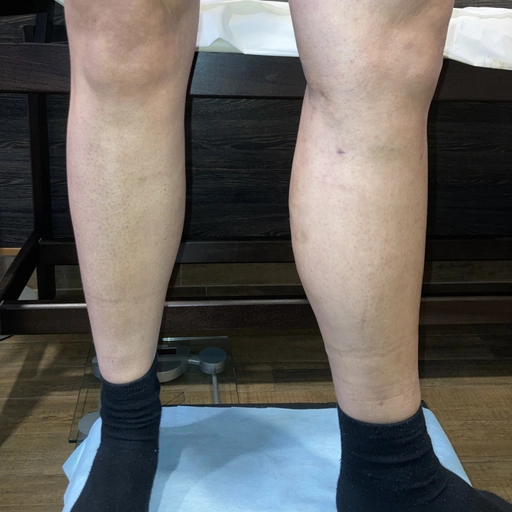
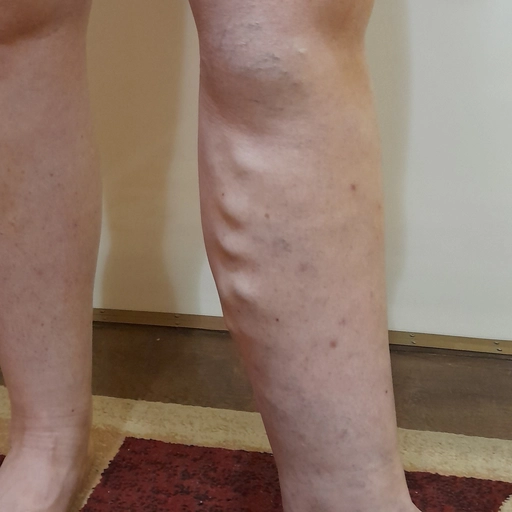
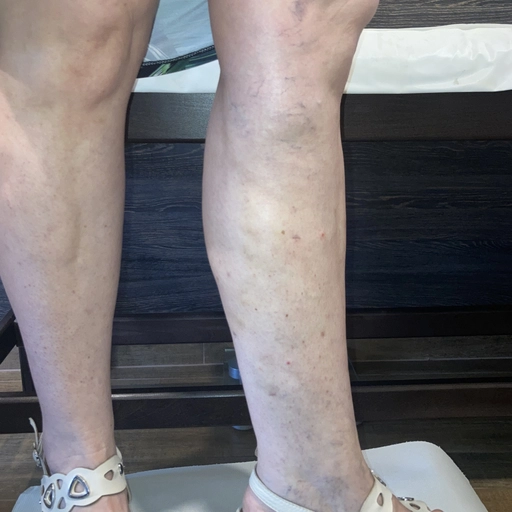
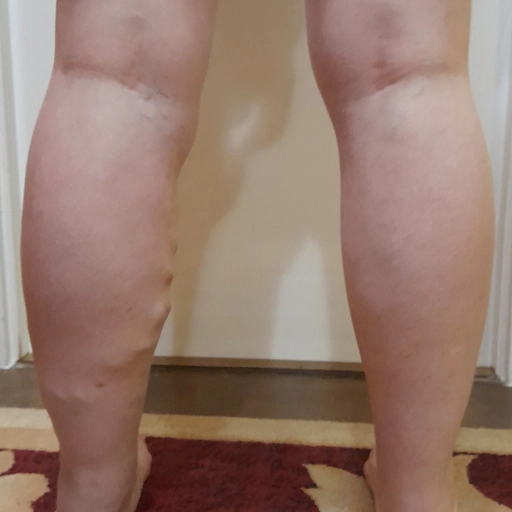
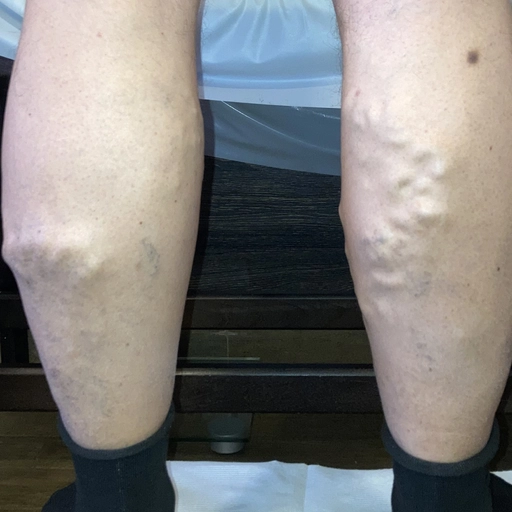
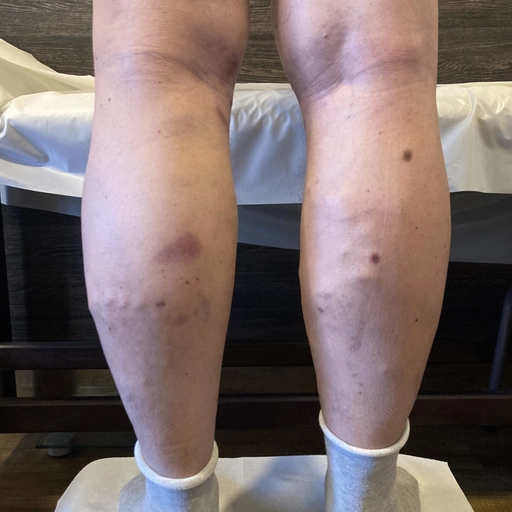
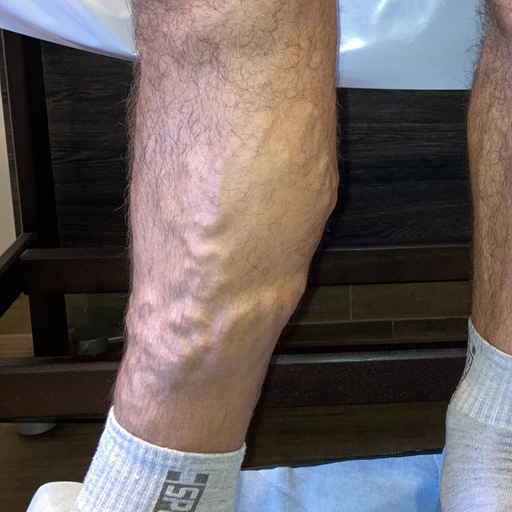
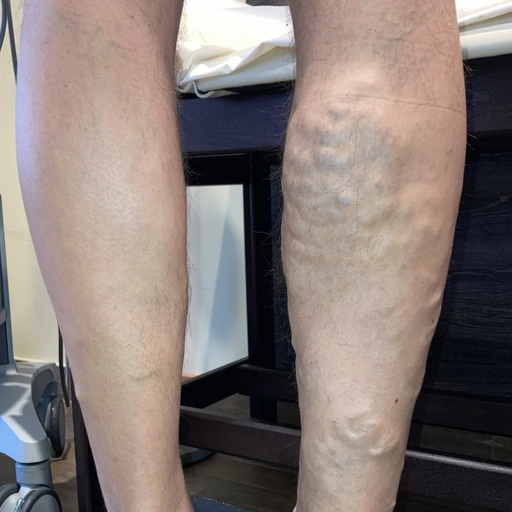
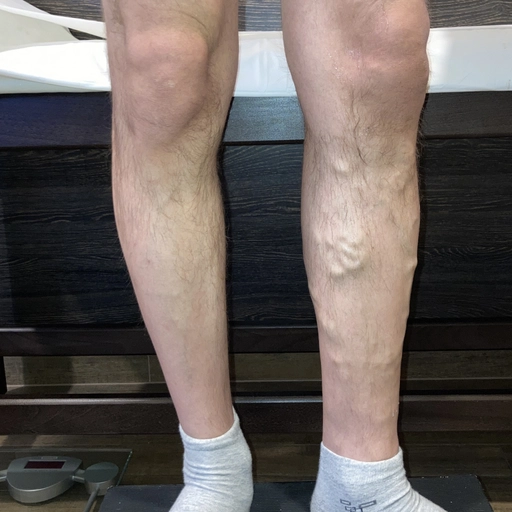
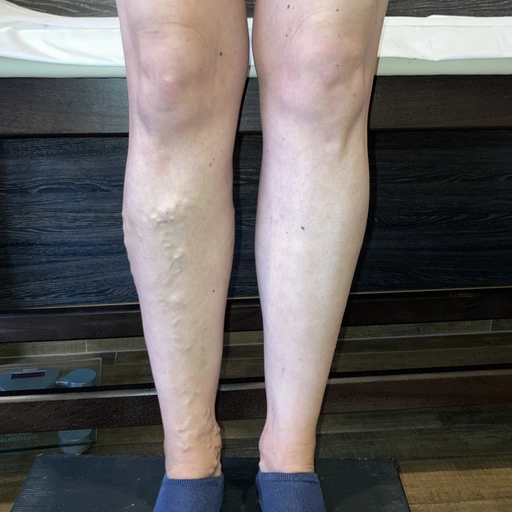
The causes of varicose veins (click here to read about the causes and consequences of varicose veins) cannot be cured according to current scientific knowledge, i.e. there is no pill, physical therapy, or any other method that can remove the dilated blood vessels from the legs; these can only be used to reduce health complaints, such as heavy, tired legs. Varicose veins can affect large veins measuring up to several centimeters in diameter, but they can also affect small veins measuring less than a millimeter in diameter, in which case we refer to them as spider veins or reticular veins (they are also known by many other names).
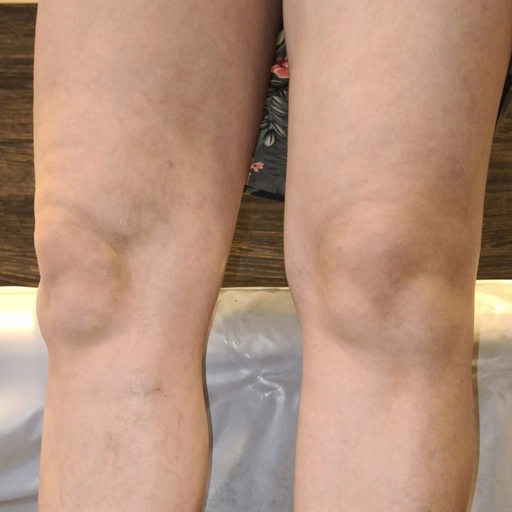
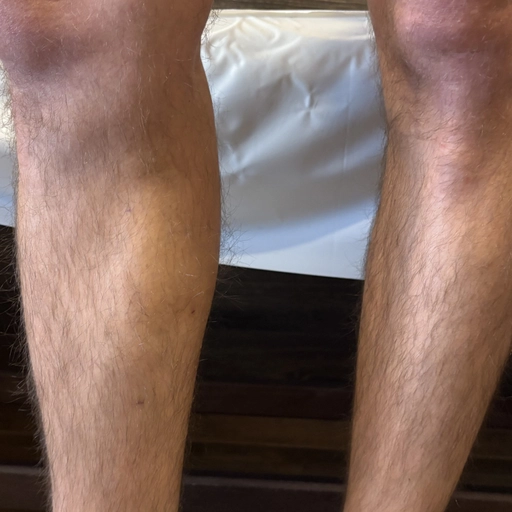
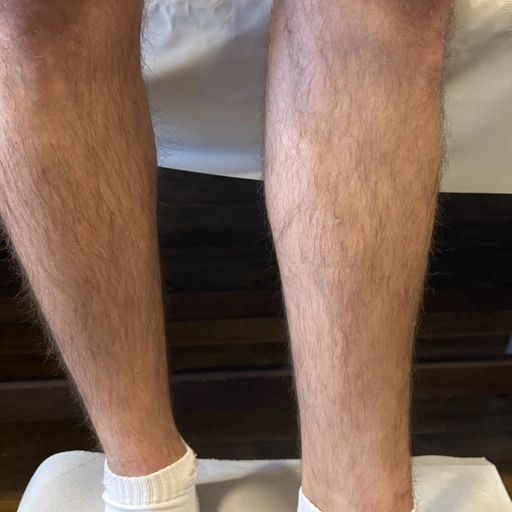
Spider veins and spider veins are small varicose veins on the skin and under the skin, whose most important characteristic is that they rarely cause pain or burning sensations, and most often do not cause any symptoms other than aesthetic complaints, but their extent can sometimes be very large. These lesions often have a genetic cause (most patients report that their parents and grandparents also had similar lesions), so it is possible that new spider veins may appear in the years following their removal, requiring further treatment.
The goal of all treatment options is to eliminate and close these small dilated blood vessels. This can be done using a special agent (aethoxysklerol, fibrovein, etc.) or heat (radiofrequency, laser). Most of our patients have several different types of varicose veins, so in most cases we recommend a combined, multi-step treatment series.
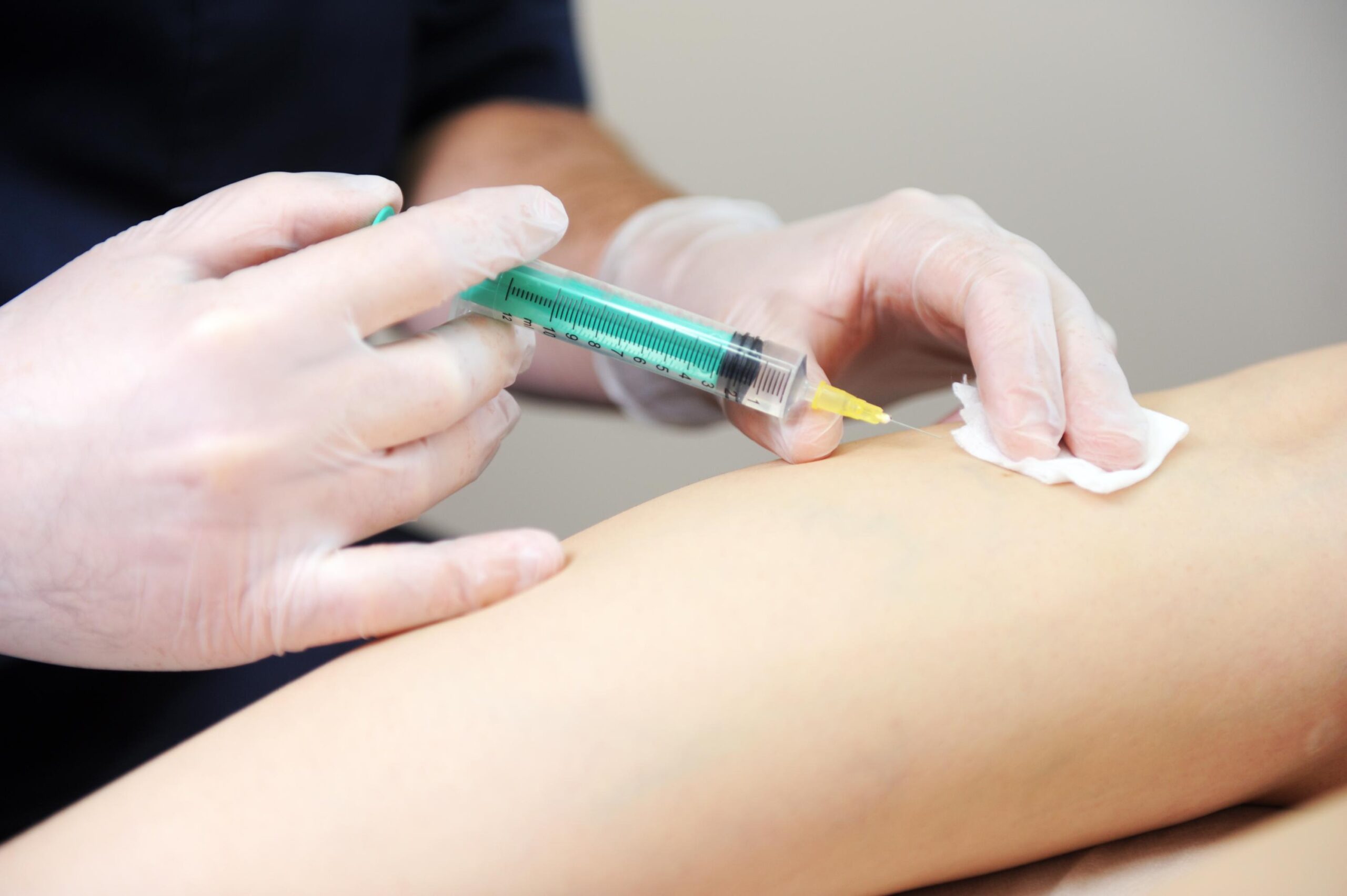
1. Injection treatment
Minimally invasive treatment for eliminating small varicose veins. This method can be used to treat spider veins and spider veins, and is used to treat small veins, usually up to 6 mm in size. The procedure can be performed on an outpatient basis, meaning that you can continue working and return to your normal activities after treatment. During the procedure, we administer the special substance in concentrated or diluted form, or in some areas in a foamed form, depending on professional considerations, which damages the inside of the vein wall and closes it. After the procedure, you will need to wear compression stockings for a few days, and it is recommended that you avoid UV radiation (solarium, sunbathing).

2. Superficial laser treatment
Minimally invasive treatment for removing small varicose veins. The world’s leading medical laser manufacturer has developed a special device for treating spider veins and varicose veins. The device works with unique external cooling, which significantly reduces pain and discomfort during the procedure. During the multi-step treatment, we perform a laser test at the first appointment to determine how your skin reacts to the laser. After the treatment, it is recommended to avoid sun exposure and UV light. After the procedure, a special gel should be used to help the treated blood vessels absorb and the treated area heal.
The benefits of injection and laser treatments
Things to do before injection and laser treatment
What to do after injection and laser treatment
Most patients experience minimal pain during the procedure.
You can resume your normal activities immediately after injection and laser treatments. During your consultation with your doctor, you will discuss in detail whether your work and habits require special treatment.
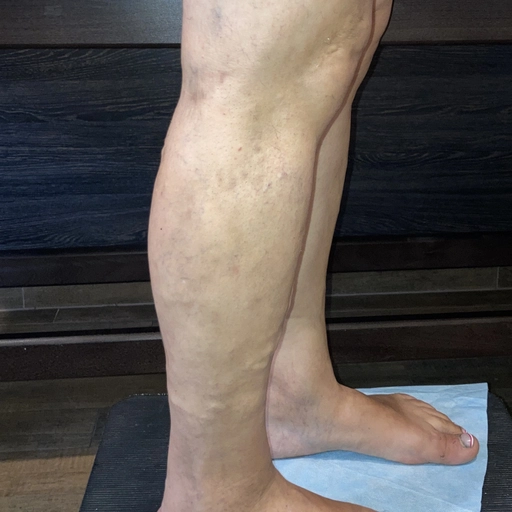
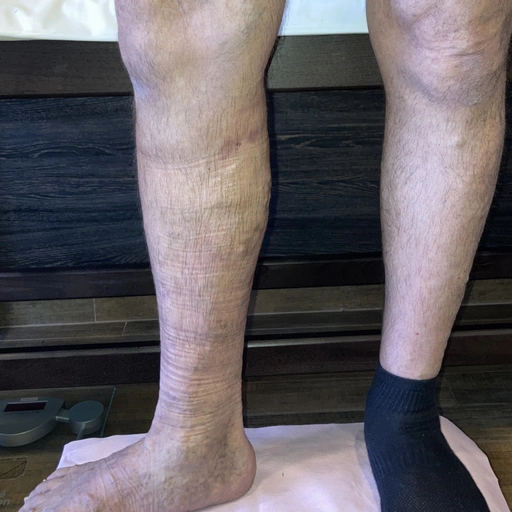
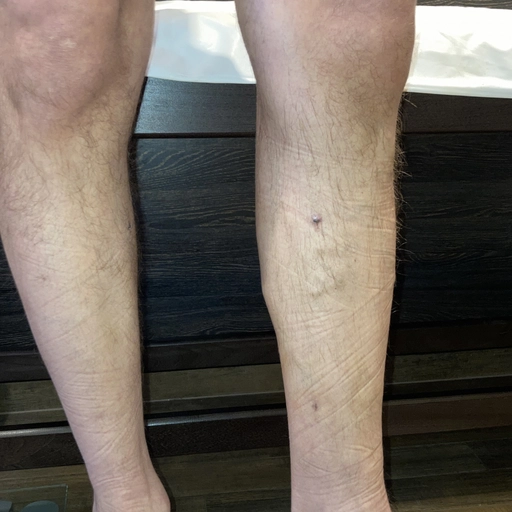
The disappearance of veins depends largely on the size and number of varicose veins and personal characteristics such as healing tendency, susceptibility to bruising, etc. Generally, the treated vein segments disappear completely within a few weeks or months after treatment. In rare cases, pigmentation may occur in the treated areas, which in most cases disappears on its own, but in rare cases may remain permanently.
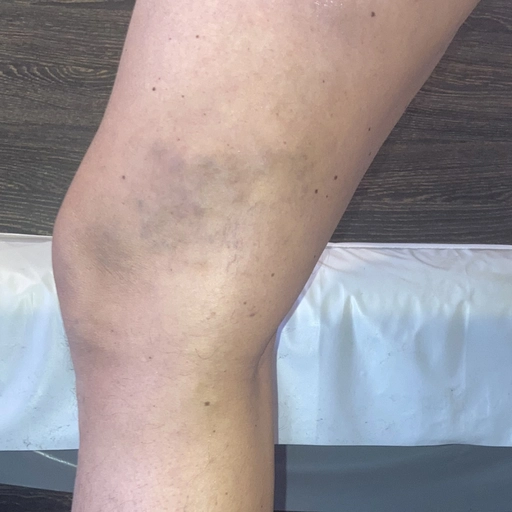
During treatment, the blood vessels are closed, but a small amount of blood may escape into the tissues, appearing as bruises. Bruises are rarely sensitive, in which case the area can be treated with local cooling and pain relief cream. Bruises always disappear on their own.
During sclerotherapy, we use a substance called polidocanol. Allergic reactions to polidocanol are quite rare, and in a review of the literature up to 1987, only four patients were reported to have had such reactions, with an estimated incidence of 0.01%. Although allergic reactions are extremely rare, if you have had any problems with polidocanol treatment in the past, be sure to inform your doctor.
The polidocanol injected is gradually absorbed after the procedure. During the healing process, connective tissue that is invisible to the naked eye appears at the site of the treated vessel segment.

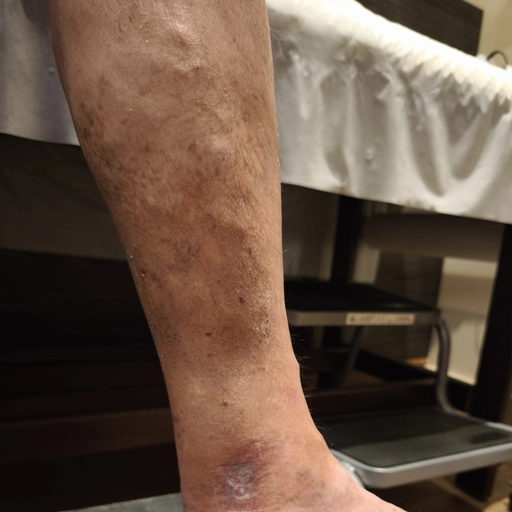

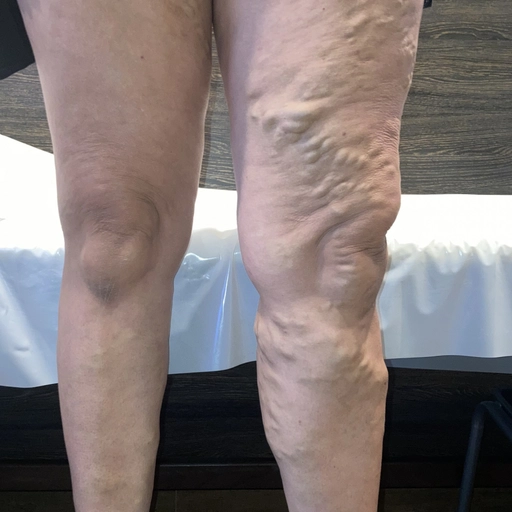
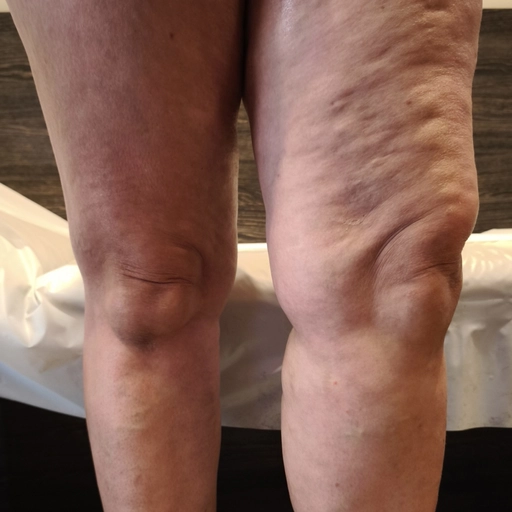
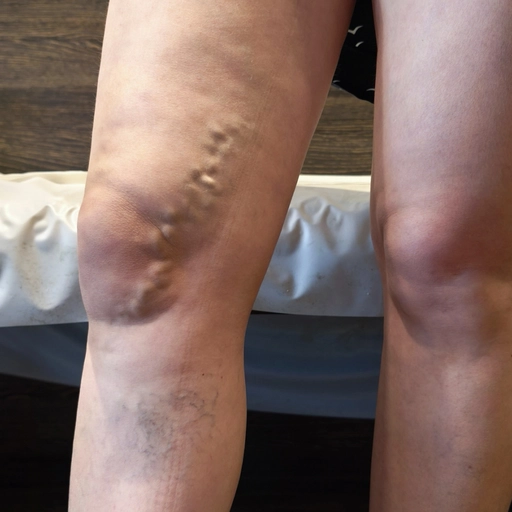


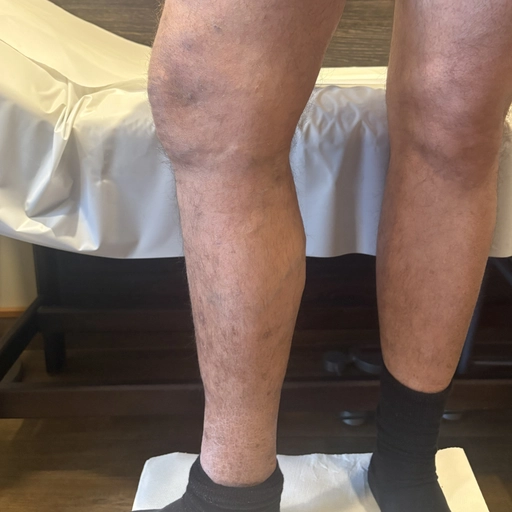

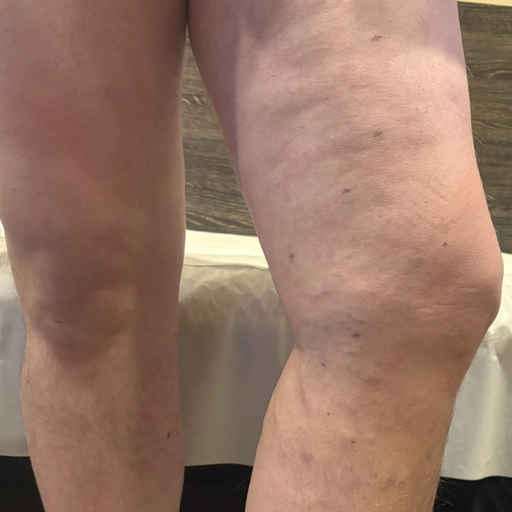

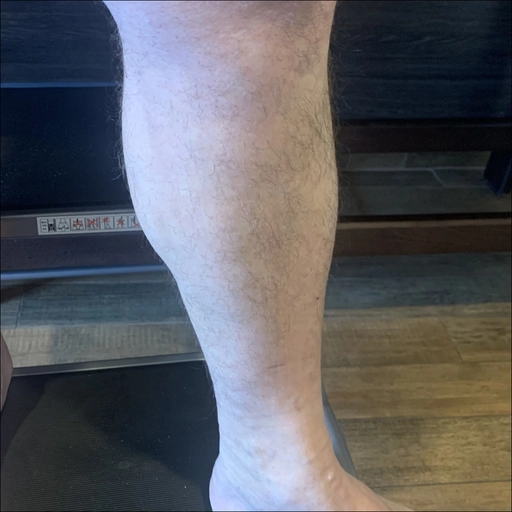
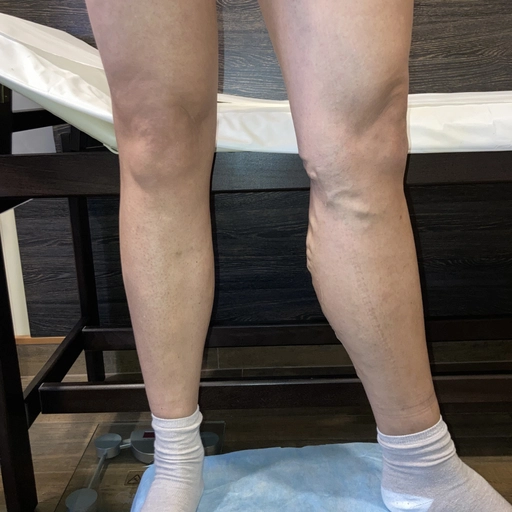

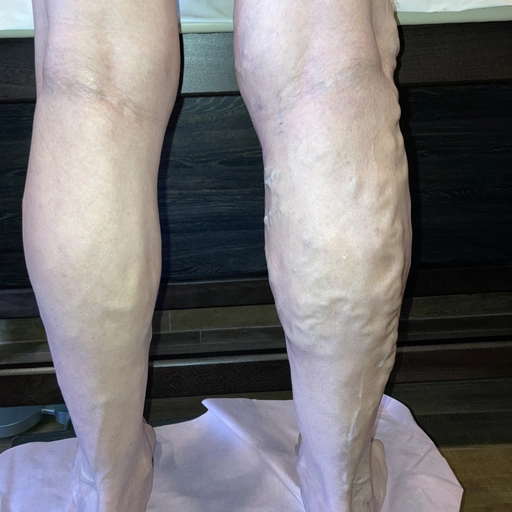
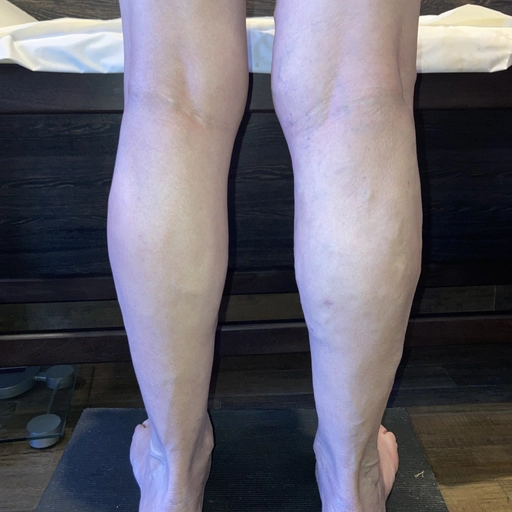
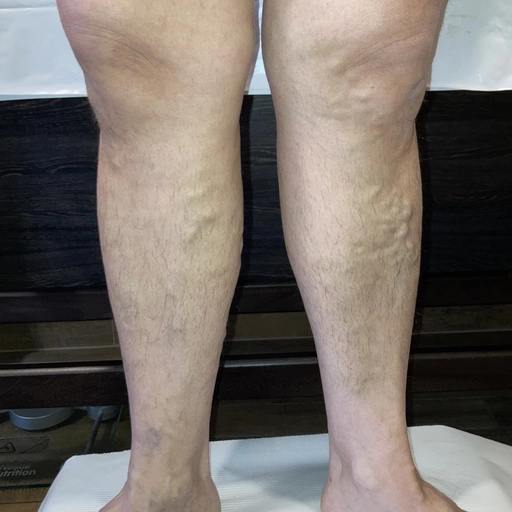
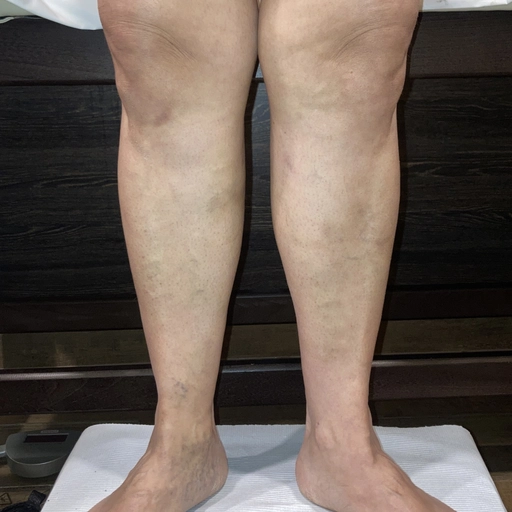

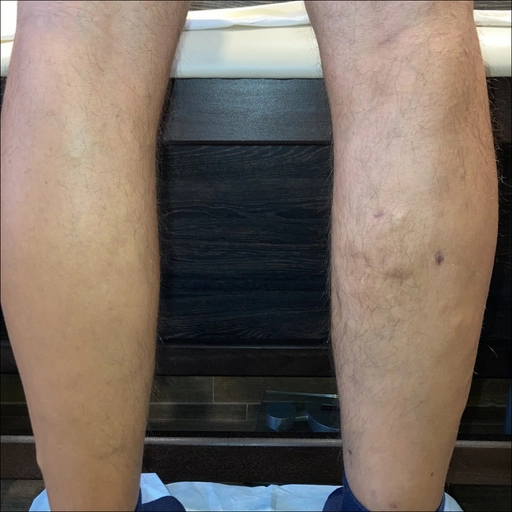
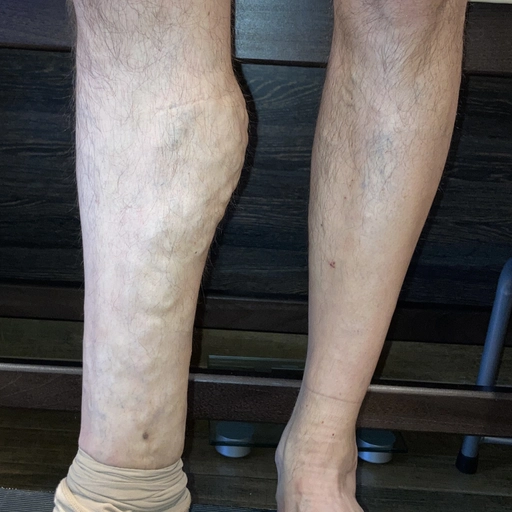

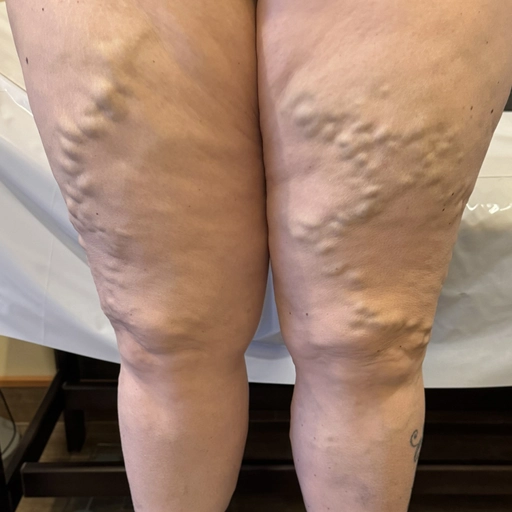
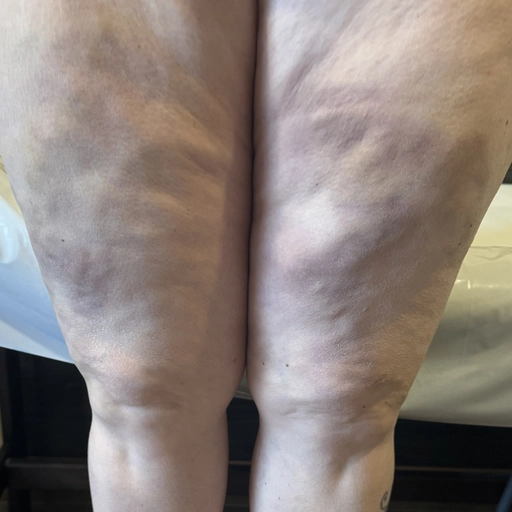
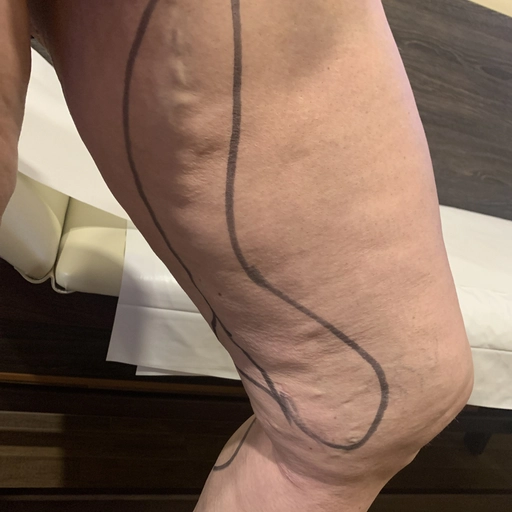
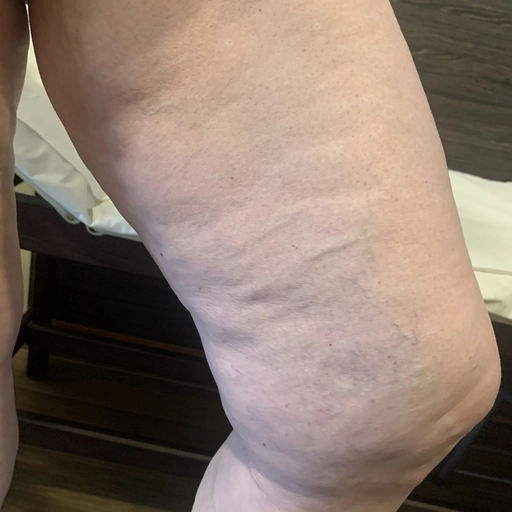

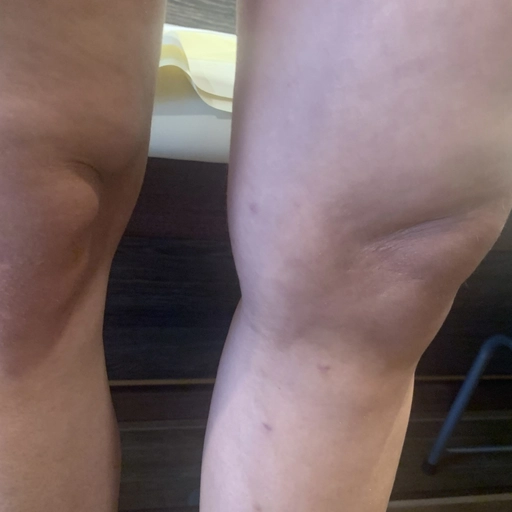

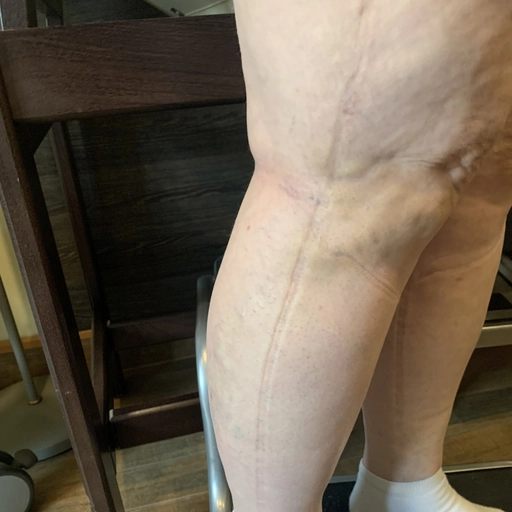


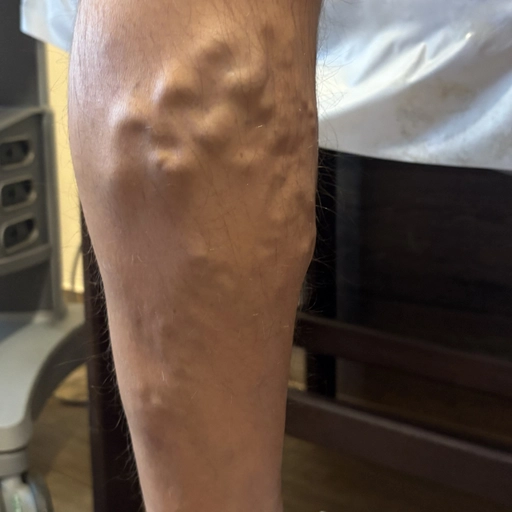
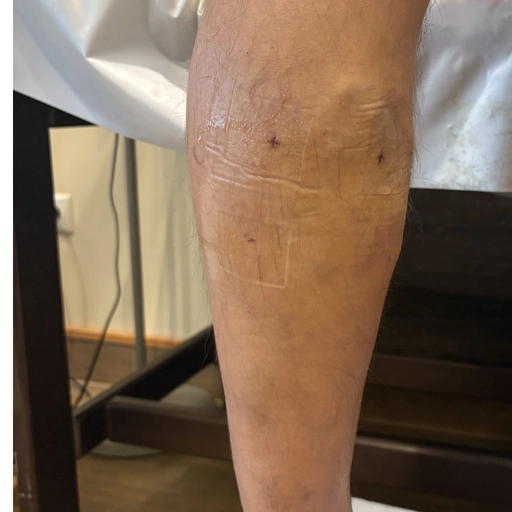
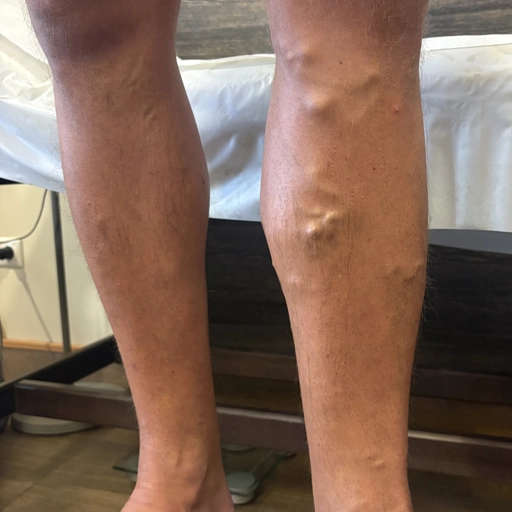
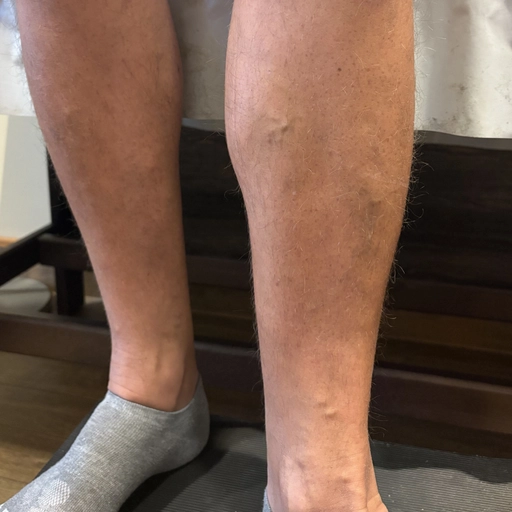

“The most important moment in our lives: The one we are currently experiencing. The most important person in our lives: The one standing right in front of us. And the most important feeling is love.”

The goal of all healthcare is to solve the patient’s problem as effectively as possible, i.e., to ensure that the intervention results in the fastest possible recovery time, the least possible pain, the best possible outcome, and the lowest possible chance of recurrence. The two most important factors in this are the doctor and the patient.
It is easy to see that the intervention will be most successful if both sides are as well prepared as possible for the date of the intervention. In developing our clinic, selecting our staff, providing training, and purchasing equipment, we always keep in mind that we want to treat our patients with the latest equipment and the best-trained staff available.
The other most important factor is the patient, i.e. your cooperation. Every person comes to us in a different physical and mental state, with different comorbidities and different types of problems, so it is important to discuss on an individual basis exactly how to prepare for a procedure and what you can and cannot do after surgery or laser treatment, for example. Therefore, an important part of success is that you follow our recommendations and advice after the examination or procedure.
What has been described so far may be true for any service. Today’s times suggest that even healthcare or health is just a “service” that can be purchased, where demand, supply, results, and money determine how things work.
However, there is something extra in the doctor-patient relationship, because when someone decides to be examined or operated on by a doctor, a contract is formed between them. This contract is not only about results, risks, and price, but above all about something unspoken: trust, because the patient entrusts us with their greatest treasure, their health.
The patient allows the doctor to touch, for example, their leg—something we would not allow just anyone to do—or to share confidential information about themselves.
The doctor respects the patient’s requests, keeps their secrets, tries to resolve their complaints, and helps them heal. This cannot be a one-sided “service”; it takes two people. It is this human connection that helps the patient overcome obstacles, fear, anxiety, and unpleasant moments in such an unusual situation. It is this trust that gives medicine the quality we truly love, because it makes our success a shared one. Trust cannot be bought, and it is difficult to earn, but we sincerely strive to deserve it. That is why no one leaves us feeling let down or with unanswered questions.
Best regards,
The VeinStream Clinic Team